






Showing all 7 results

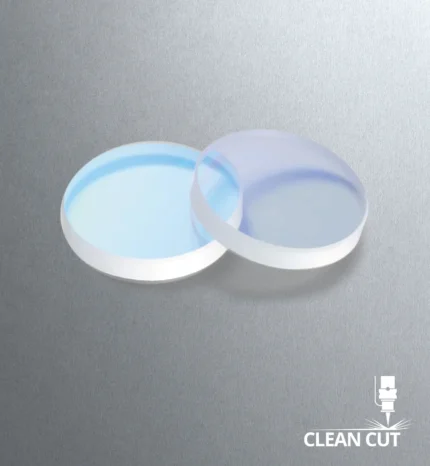

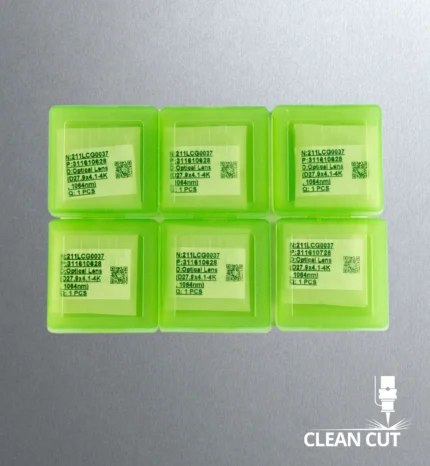
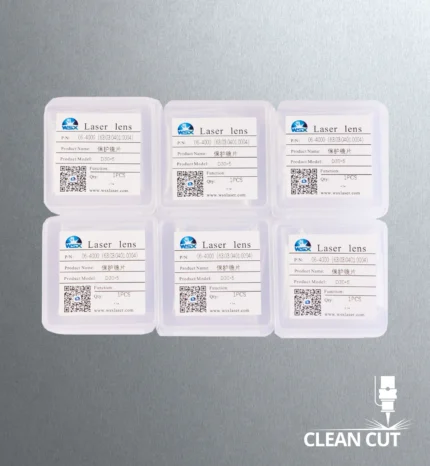
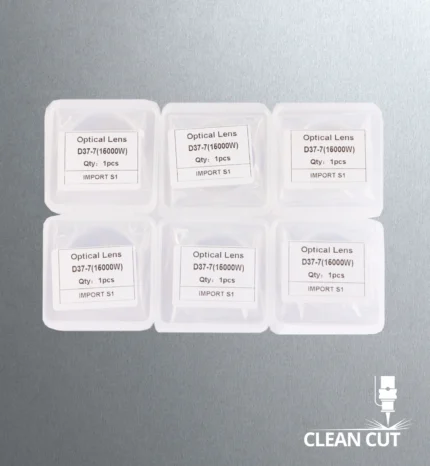
The protective window of a laser cutting machine is one of the essential consumable components in the optical system. It plays an important role in protecting sensitive laser head components and maintaining the machine’s performance. Positioned in the laser beam path, this component prevents dust, cutting particles, molten material splashes, and other contaminants from reaching the internal parts of the laser head.
The quality and condition of the protective window can affect the optical system’s performance, cutting process stability, and final cutting quality. Therefore, selecting the right protective window and regularly inspecting its condition are important aspects of maintaining laser cutting equipment.
In this article, we will explore the applications, types, key features, and maintenance tips for laser cutting machine protective windows.
What Is a Laser Cutting Machine Protective Window
A protective window, also known as a Protection Window, is an optical component typically made from transparent and durable materials such as silica. It is installed in the optical path of a laser cutting head. Its primary function is to create a protective barrier between the cutting environment and the sensitive optical components inside the laser head
During metal cutting operations, fine particles, dust, and various contaminants are generated around the laser head. If these contaminants reach the lenses and other internal optical components, they may negatively affect the machine’s performance
By preventing direct contact between these contaminants and sensitive components, the protective window helps extend the service life of optical equipment and reduce maintenance and repair costs
Applications of Laser Cutting Machine Protective Windows
In addition to protecting the internal components of the laser head, the protective window plays an important role in maintaining optimal machine performance. Its main applications include
1. Protecting the Internal Laser Head Lenses
One of the primary functions of a protective window is to prevent particles and environmental contaminants from entering sensitive parts of the optical system. This reduces the risk of damage to the internal lenses
2. Helping Maintain Laser Beam Quality
The transparency and surface condition of the protective window are important for proper laser beam transmission. Contamination, scratches, or surface damage can affect the beam’s transmission quality
3. Reducing Maintenance and Repair Costs
Using a suitable protective window reduces the possibility of direct damage to some of the more expensive optical components. As a result, replacing this consumable component at the right time can help prevent more costly repairs
4. Improving Machine Performance Stability
Using a clean, undamaged component that is compatible with the machine’s specifications helps maintain stable optical system performance and reduces problems caused by contamination or damage to protective components
Types of Laser Cutting Machine Protective Windows
Laser cutting machine protective windows are manufactured in different models based on their material, dimensions, thickness, optical coating, and intended application. Choosing the right type depends on the specifications of the laser head and the laser source
1.Quartz Protective Window
Quartz protective windows, also known as Fused Silica windows, are among the commonly used options in fiber laser cutting machines. Due to their high optical transmission, thermal stability, and low energy absorption, they are widely used in industrial optical systems.
2.Protective Windows with Anti-Reflective (AR) Coating
Some protective windows are manufactured with anti-reflective (AR) coatings. These coatings reduce unwanted reflections, improve light transmission, and minimize energy loss. The coating must be selected according to the wavelength of the laser source.
3.Borosilicate Protective Window
Borosilicate is another type of optical glass used in certain industrial applications due to its thermal stability and relatively affordable cost. However, its resistance and compatibility with the laser power must be evaluated based on the machine’s technical specifications.
4.Sapphire Protective Window
Sapphire protective windows offer high resistance to scratches and mechanical stress. This makes them suitable for certain industrial applications where surface durability is important. Their selection also depends on the operating conditions and optical system design.
Signs of Damage or the Need to Replace a Laser Protective Window
Because the protective window is exposed to contaminants generated during cutting operations, it is considered a consumable component of the machine. Regularly inspecting its condition is essential
Some common signs that may indicate contamination or damage include
Stains and Contamination: Accumulation of dust, metal particles, and cutting residues on the glass surface
Scratches: Surface damage that may affect proper laser beam transmission
Discoloration or Cloudiness: A possible indication of contamination, coating damage, or thermal changes
Cracks or Breakage: Physical damage that requires inspection and replacement when necessary
Reduced Cutting Quality: Changes in cutting output may indicate a problem with the optical system, although other machine-related factors should also be checked
Important Factors When Choosing a Laser Cutting Machine Protective Window
Selecting the right protective window should not be based solely on its price or appearance. To prevent compatibility issues and potential damage to the optical system, several important technical factors must be considered
1.Window Dimensions and Thickness
The diameter and thickness of the window must match the installation position and specifications of the laser head. Using a component with incorrect dimensions may result in improper installation or operational problems
2.Material and Raw Material Quality
The quality of the raw material affects energy absorption, optical transparency, and thermal stability. To make the right choice, the window material must be compatible with the laser type and operating conditions
3.Optical Coating Quality
The anti-reflective coating must be suitable for the laser wavelength. Its quality is important for reducing reflections and minimizing energy loss
4.Compatibility with Machine Power
The protective window must be designed for the operating conditions and power level of the intended laser source. Using an unsuitable window may increase energy absorption and cause component damage.
5. Manufacturing Quality and Surface Finish
The window must have an appropriate optical surface quality. Scratches, surface defects, or unevenness can negatively affect the performance of the optical system.
How to Maintain a Laser Cutting Machine Protective Window
Proper maintenance can help extend the service life of the protective window and maintain the optical system’s performance.
The most important maintenance tips include:
- Regular Inspection: Check the window surface regularly according to the manufacturer’s maintenance guidelines.
- Avoid Direct Contact: Use clean, lint-free gloves when handling the window to prevent fingerprints, grease, and contamination.
- Use Appropriate Cleaning Tools: Clean the window only with materials and equipment specifically designed for optical components.
- Proper Storage: Keep spare protective windows in clean, dry, and dust-free packaging.
- Replace Damaged Components: If cracks, significant scratches, or coating damage are detected, inspect the window and replace it when necessary.
Note: Inspection, cleaning, and replacement should be performed by trained personnel in accordance with the machine manufacturer’s safety and maintenance instructions.
Differences Between High-Quality and Low-Quality Laser Protective Windows
The quality of a protective window can significantly affect the overall performance of the machine’s optical system. A window manufactured from suitable materials and equipped with a high-quality optical coating allows laser beam transmission with lower losses.
| Feature | High-Quality Protective Window | Low-Quality Protective Window |
|---|---|---|
| Optical Transparency | Proper beam transmission | Higher potential for absorption and scattering |
| Surface Quality | Smooth and uniform finish | Possible surface defects |
| Optical Coating | Compatible with laser wavelength | Inappropriate or non-standard coating |
| Thermal Resistance | Suitable for operating conditions | Greater risk of damage under unsuitable conditions |
| Service Life | Depends on operating and maintenance conditions | Potentially shorter service life |
When Should a Laser Cutting Machine Protective Window Be Replaced?
The replacement time depends on several factors, including machine usage, environmental conditions, laser power, component quality, and the level of contamination. Therefore, a fixed replacement interval cannot be recommended for all machines.
The protective window should be inspected regularly. If damage, contamination that cannot be removed, or coating deterioration is detected, the component should be replaced according to the manufacturer’s instructions.
Keeping compatible spare protective windows available can also help prevent unnecessary machine downtime.
Conclusion
The protective window is one of the essential components of a laser cutting machine’s optical system. It protects sensitive lenses against dust, fumes, metal particles, and molten material splashes generated during cutting operations.
Selecting the right window based on its material, thickness, dimensions, optical coating quality, and compatibility with the laser power and wavelength is essential.
Furthermore, regular inspection, proper maintenance, and timely replacement can help prevent damage to expensive optical components and maintain consistent cutting quality and machine performance.
Therefore, when purchasing consumable parts for laser cutting machines, the quality and technical specifications of the protective window should not be overlooked.
To explore a wide range of consumable parts and equipment for laser cutting and welding machines, you can also check out CleanCutParts and its specialized products.
Frequently Asked Questions
What Is the Function of a Protective Lens in a Laser Cutting Machine?
What Materials Are Laser Cutting Protective Lenses Made Of?
What Causes a Laser Protective Lens to Become Damaged?
Can a Laser Cutting Machine Protective Lens Be Cleaned?
What Should You Consider When Buying a Laser Cutting Protective Lens?