






Showing all 2 results


What Is a Laser Welding Machine
With advances in metalworking and manufacturing technology, traditional welding methods are gradually being replaced by more precise and faster technologies. One of the most advanced solutions is the laser welding machine. Using a focused laser beam, this machine produces fine, strong, and clean welds. High precision, fast processing speeds, and reduced material consumption are among the main reasons laser welding has become a preferred choice across many industries
Paydar Boresh Asia, operating under the CleanCut brand, is a specialized supplier of laser welding machines and other laser equipment accessories in Iran. The company offers genuine products with quality assurance. CleanCut’s technical experts understand industrial requirements and can help you select the most suitable equipment and accessories for your specific project
How Does a Laser Welding Machine Work
A laser welding machine generates a high-energy laser beam and concentrates it on the joint between two metal components. This concentrated energy locally melts the metal, and as the material cools and solidifies, a connection forms between the components
One of the key features of this method is its limited heat-affected zone. Compared with some traditional welding methods, laser welding can help reduce deformation, warping, and unnecessary heat transfer to surrounding areas. This advantage has increased the use of laser welding machines in applications where precision and a high-quality weld appearance are essential
Types of Laser Welding Machines
Laser welding machines can be classified according to their laser source, cooling system, and operating method. Each model should be selected based on project requirements and working conditions
Air-Cooled Laser Welding Machine
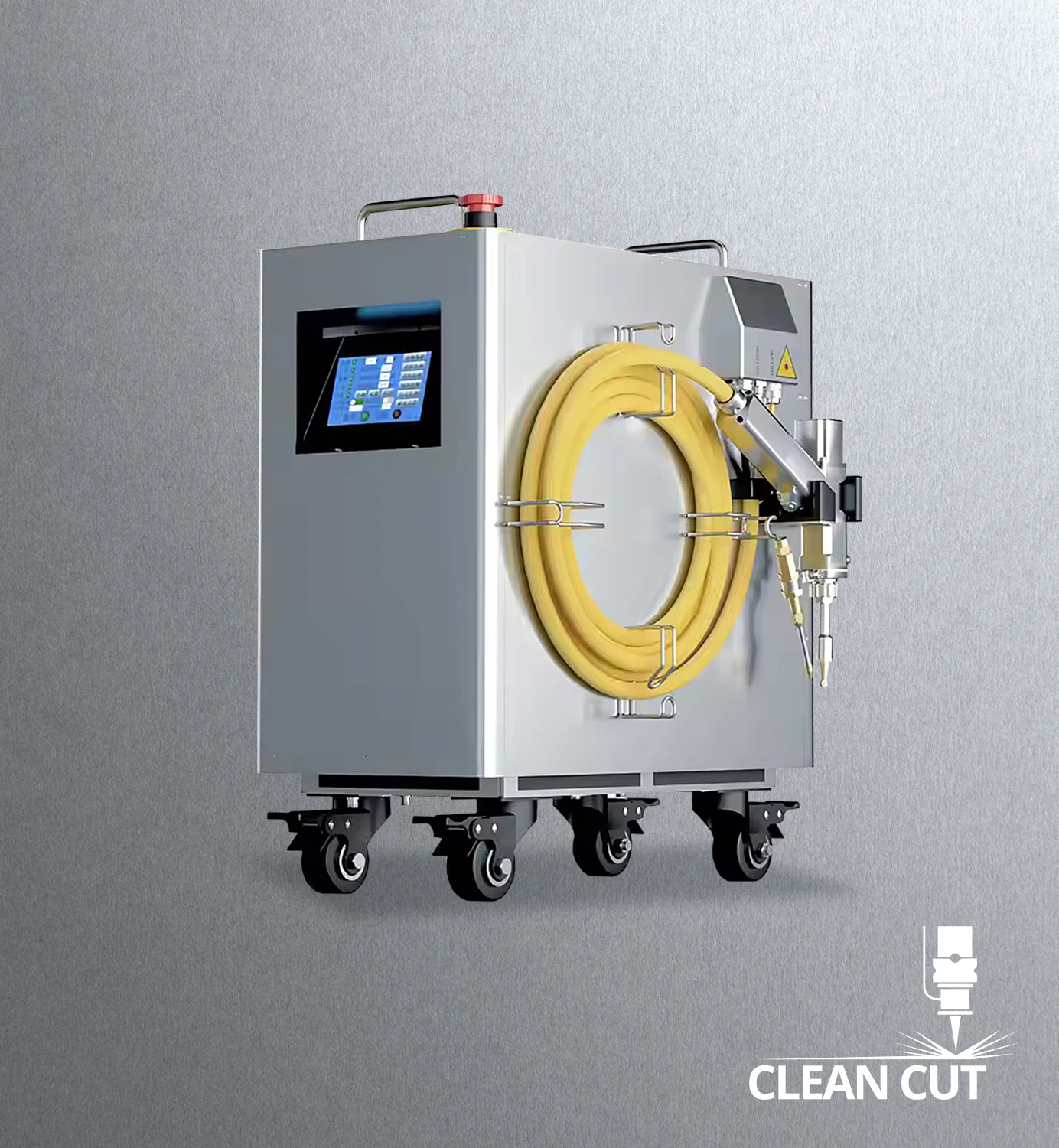
An air-cooled laser welding machine features an integrated cooling system that uses airflow to regulate the machine’s temperature. Thanks to its compact design and easy setup, this model is a suitable option for workshops and applications that require simple installation and convenient mobility
Advantages of air-cooled laser welding machines
Lightweight and compact design
Easy setup and operation
Reduced need for additional cooling equipment
Suitable for workshops and lighter-duty applications
Easier transportation and relocation
Water-Cooled Laser Welding Machine
A water-cooled laser welding machine uses a water circulation system and chiller to regulate the temperature of the laser source and other sensitive components. Water cooling is particularly important for extended operation and applications that require greater thermal stability
Advantages of water-cooled laser welding machines
Effective temperature control
Greater stability during continuous operation
Suitable for industrial applications
Suitable for extended welding processes
Appropriate for higher-power applications
Fiber Laser Welding Machine
A fiber laser welding machine uses an optical fiber laser source to generate the laser beam. High efficiency, good beam quality, and relatively low maintenance requirements are among the features that have made this technology widely used in metalworking industries
Specifications of Water-Cooled Laser Welding Machines
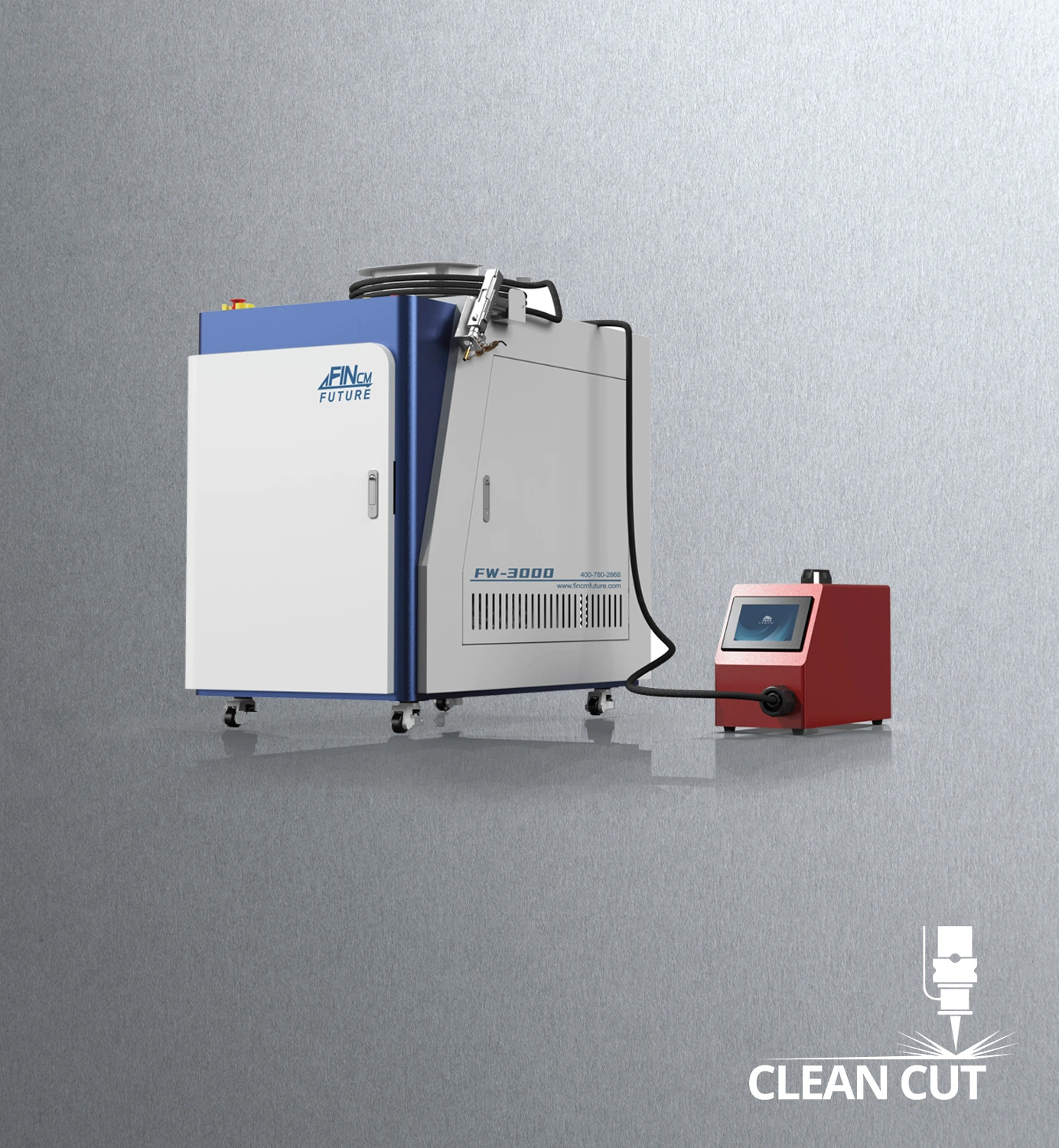
When selecting a water-cooled laser welding machine, it is important to review its technical specifications. These machines are available in different power ratings, including 1,500 W, 2,000 W, and 3,000 W. The appropriate power rating should be selected according to the material, workpiece thickness, and intended application
| Feature / Parameter | Technical Specifications |
|---|---|
| Machine type | Handheld laser welding machine |
| Weight | 80–150 kg |
| Machine power | 1,500 / 2,000 / 3,000 W |
| Welding thickness | 1,500 W: 0.6–3.5 mm / 2,000 W: 0.8–6 mm / 3,000 W: 0.8–8 mm |
| Operating voltage | 1,500 W and 2,000 W models: 225 V / 3,000 W model: 380 V |
| Operating environment | Temperature: 0–45°C; relative humidity: below 70% |
| Laser source brands | MAX / Raycus / GW / BWT |
| Wavelength | 1080 ± 5 nm |
| Fiber cable length | 10 m |
| Welding system | Chaoqiang; four-in-one system for welding, cutting, cleaning, and weld seam cleaning |
| Wire feeder | Chaoqiang |
| Operating mode | Continuous / modulation |
| Weld gap width | ≤ 5 mm |
| Welding speed | 0–120 cm/min |
| Wire feed specifications | 0.8 / 1.0 / 1.2 / 1.6 / 2.0 |
| Shielding gas | Argon / nitrogen |
| Compatible materials | Stainless steel, carbon steel, galvanized sheet metal, iron, aluminum, aluminum alloys, copper alloys, gold, and silver |
| Cooling system brands | Hanli / S&A |
| Cooling medium | Purified or distilled water; for temperatures below 0°C, use laser-compatible antifreeze according to the manufacturer’s specifications. |
Handheld or Automatic Laser Welding Machine
Laser welding machines are available in handheld and automatic configurations, depending on how they are operated
Handheld Laser Welding Machine
Handheld models offer a high degree of flexibility and are suitable for workshops, repair work, manufacturing different types of components, and projects in which workpiece shapes and dimensions frequently change. The operator controls the welding process, so their skill plays an important role in the final weld quality
Automatic Laser Welding Machine
Automatic models are suitable for repetitive manufacturing processes and production lines. Programmable controls and mechanized operation can improve process consistency and reduce dependence on individual operator performance
Applications of Laser Welding Machines
Laser welding machines are used across a wide range of industries because of their precision, speed, and versatility. Key applications include
Automotive industry: Welding body components, precision parts, and selected industrial components
Medical industry: Manufacturing and joining sensitive equipment and components
Jewelry manufacturing: Performing fine welding on metal jewelry and delicate components
Electronics industry: Joining small and sensitive components
Mold and tool manufacturing: Repairing and joining metal parts and molds
Metal fabrication: Manufacturing equipment, components, and metal structures
Aerospace industry: Supporting specialized, precision manufacturing processes
Advantages of Laser Welding Machines
Laser welding technology can offer several benefits for manufacturing processes. Its main advantages include
High precision at the weld joint
Fast welding speeds
Concentrated heat in the joining area
Reduced workpiece deformation and distortion
Ability to weld certain thin and sensitive metals
Clean and consistent weld appearance
Reduced need for post-weld finishing in some applications
Versatility across different industrial processes
Important Factors When Buying a Laser Welding Machine
If you are planning to buy a laser welding machine, evaluate your technical requirements and working conditions before selecting a model. Important factors to consider include
Machine power and laser source
Material type and workpiece thickness
Laser source technology
Air-cooled or water-cooled system
Welding speed and process requirements
Available accessories and additional equipment
Warranty and after-sales service
Availability of consumables and spare parts
Brand and country of manufacture
Choosing a machine that matches your operational needs can help prevent unnecessary expenses and support better long-term performance
Laser Welding Machine Price
The price of a laser welding machine depends on several factors, including laser source power, cooling system, laser source brand, accessories, and overall technical specifications. As a result, prices vary between models
If you are planning to purchase a machine, first identify the material and thickness of the workpieces, your daily operating hours, and the welding processes you intend to perform. This information can help you determine the most suitable model and power rating
Is Buying a Laser Welding Machine Cost-Effective
The cost-effectiveness of buying a laser welding machine depends on the application, production volume, and specific requirements of the business. In applications where speed, precision, weld appearance, and reduced workpiece deformation are important, this technology can improve manufacturing processes and help reduce certain additional costs
Ultimately, the choice between air-cooled and water-cooled models, different power ratings, and handheld or automatic systems should be based on the project type and actual operating conditions
Laser Welding Machine Price and Purchase
When buying a laser welding machine, selecting the right model according to its power, cooling method, workpiece material, and operating conditions is essential. The experts at CleanCut can provide technical information about different models and help you choose a machine that suits your requirements
Frequently Asked Questions
Which metals are suitable for laser welding?
What is the difference between air-cooled and water-cooled laser welding machines?
Can a laser welding machine operate without filler wire?
What should I consider when buying a laser welding machine?
Is a handheld or automatic laser welding machine better?