


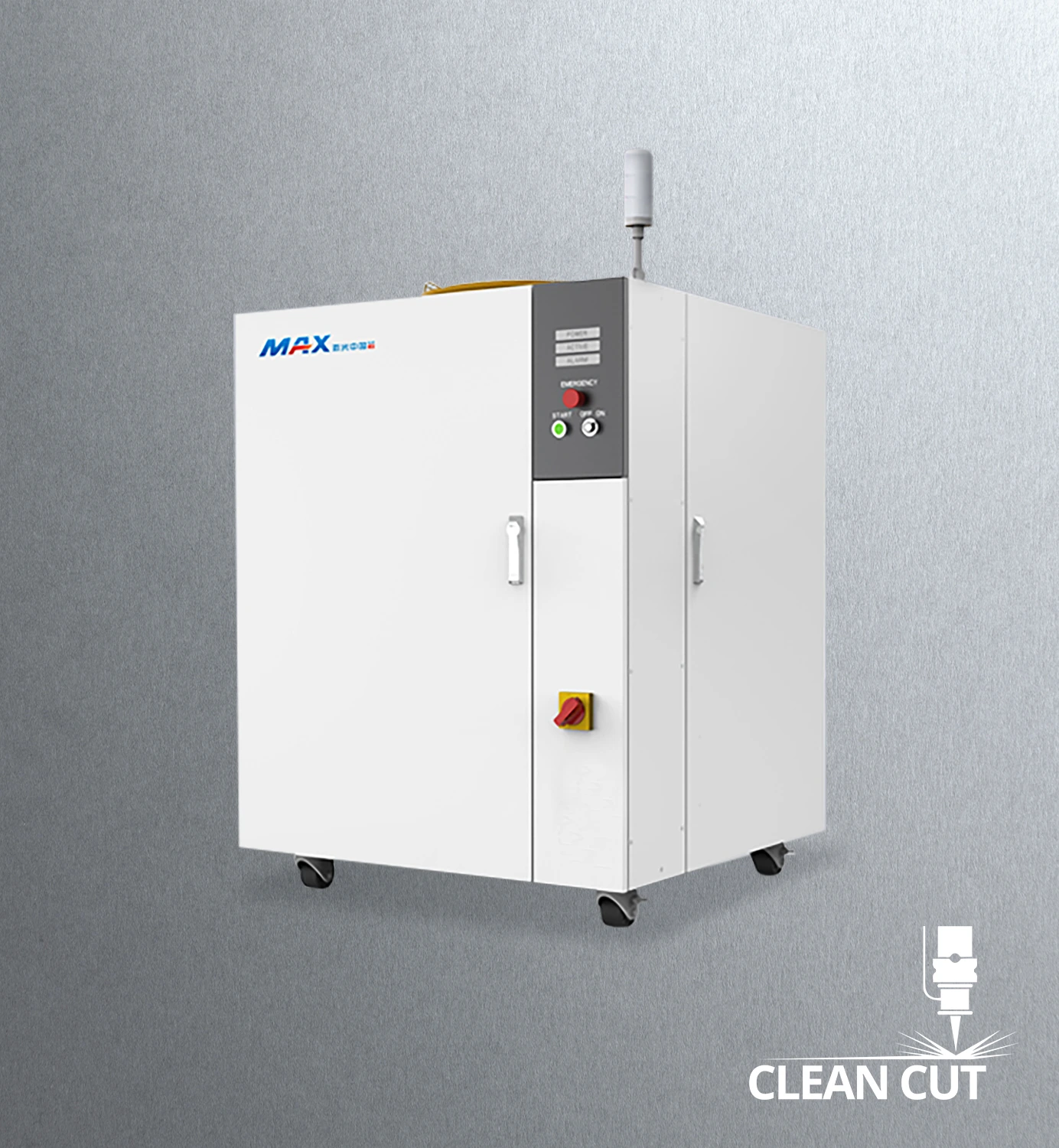

MAX Laser Source 6000 W
| Brands | MAX |
|---|---|
| Power | 6000W |
| Product manufacturer | MAX source |
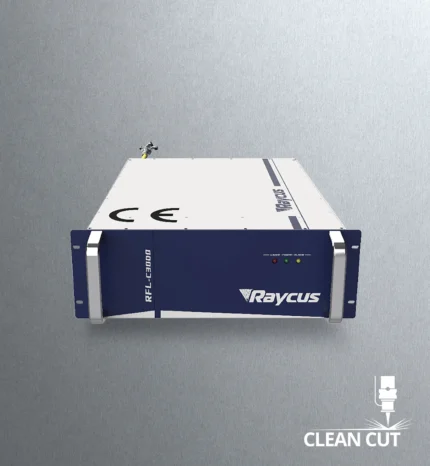
G5 MAX 6000W Laser Source
The G5 MAX Power Source 6000W is one of the key components in industrial fiber laser cutting systems, designed to provide the laser power required for high-power metal cutting applications. With a rated power of 6000 watts, this model is suitable for industrial fiber laser cutting machines and production lines that require high cutting speeds, precision, and power. Selecting this laser source should be based on the machine’s technical specifications, cutting head type, control system, and production requirements.
This laser source is widely used in industrial applications involving metal sheet cutting and the production of high-precision components. Optimal system performance depends on the compatibility of the laser source with other machine components, proper cooling conditions, and accurate cutting parameter settings.
Key Features of the G5 MAX 6000W Laser Source
Rated power of 6000W for industrial fiber laser cutting applications
Suitable for high-power metal cutting machines, subject to technical compatibility
Suitable for use in production lines and industrial processes
Capable of cutting various metal sheets, depending on the material type, workpiece thickness, and machine specifications
Requires a cooling system that meets the power requirements and manufacturer specifications
Compatible with CNC fiber laser cutting machines designed to support this model
Applications of the G5 MAX 6000W Laser Source
Depending on the machine configuration and technical specifications, this laser source can be used in the following applications:
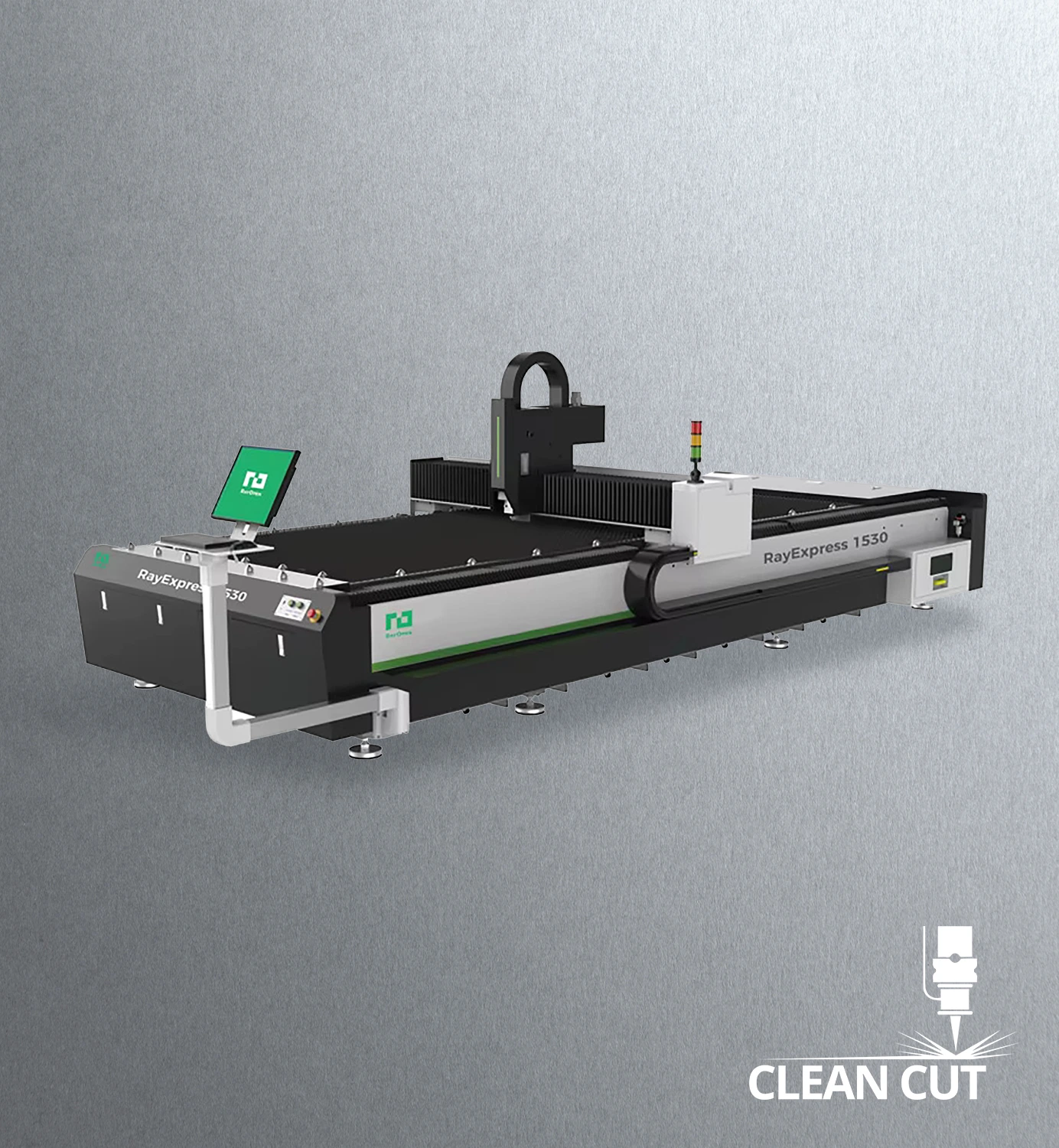
CNC Fiber Laser Cutting Machines
Cutting Steel and Stainless Steel Sheets
Cutting Aluminum and Other Metals Compatible with Fiber Laser Processing
Metal Component Manufacturing in the Machinery Industry
Industrial Production Lines Requiring High Cutting Power
Manufacturing Metal Equipment and Structures
Capable of Cutting Non-Ferrous Metals.
Advantages of Using a 6000W Laser Source
Using a 6000W laser source, when cutting parameters are properly configured and the source is compatible with the other equipment, can help increase cutting speeds for certain material thicknesses, improve production line efficiency, and enable the processing of a wider range of metal components. However, final cutting quality depends not only on laser power but also on beam quality, nozzle type and condition, assist gas, cutting head speed, and machine settings.
Compared with lower-power laser sources, the 6000W model provides higher power capacity for cutting operations. However, improvements in cutting speed, quality, and maximum cut thickness should be evaluated based on the official specifications of the laser source and machine.
Key Considerations Before Purchasing the G5 MAX 6000W Laser Source
Compatibility Check: The exact laser source model must be compatible with the cutting head, control system, cables, and other machine components
Cooling System: The chiller must be selected according to the laser source’s technical requirements
Electrical Supply and Connections: The input power supply and connections must comply with the manufacturer’s specifications
Technical Specifications: Before purchasing, verify the exact model, rated power, warranty terms, and product authenticity
Professional Installation: Installation, commissioning, and initial configuration must be performed by a qualified technician
Conclusion
If you need a 6000W rated laser source for your industrial fiber laser cutting machine, the G5 MAX 6000W is an option worth considering, provided its technical specifications and compatibility with your machine are carefully evaluated. Selecting the right laser source can help increase production capacity and improve cutting performance, provided that all machine components are suitable for the selected power level.
Purchasing from CleanCut provides an opportunity to receive expert advice on selecting components and equipment for fiber laser cutting machines. By assessing your machine’s technical requirements before purchasing, you can make a more informed choice, avoid component incompatibility, and plan more effectively to maintain equipment performance and reduce production line downtime.