


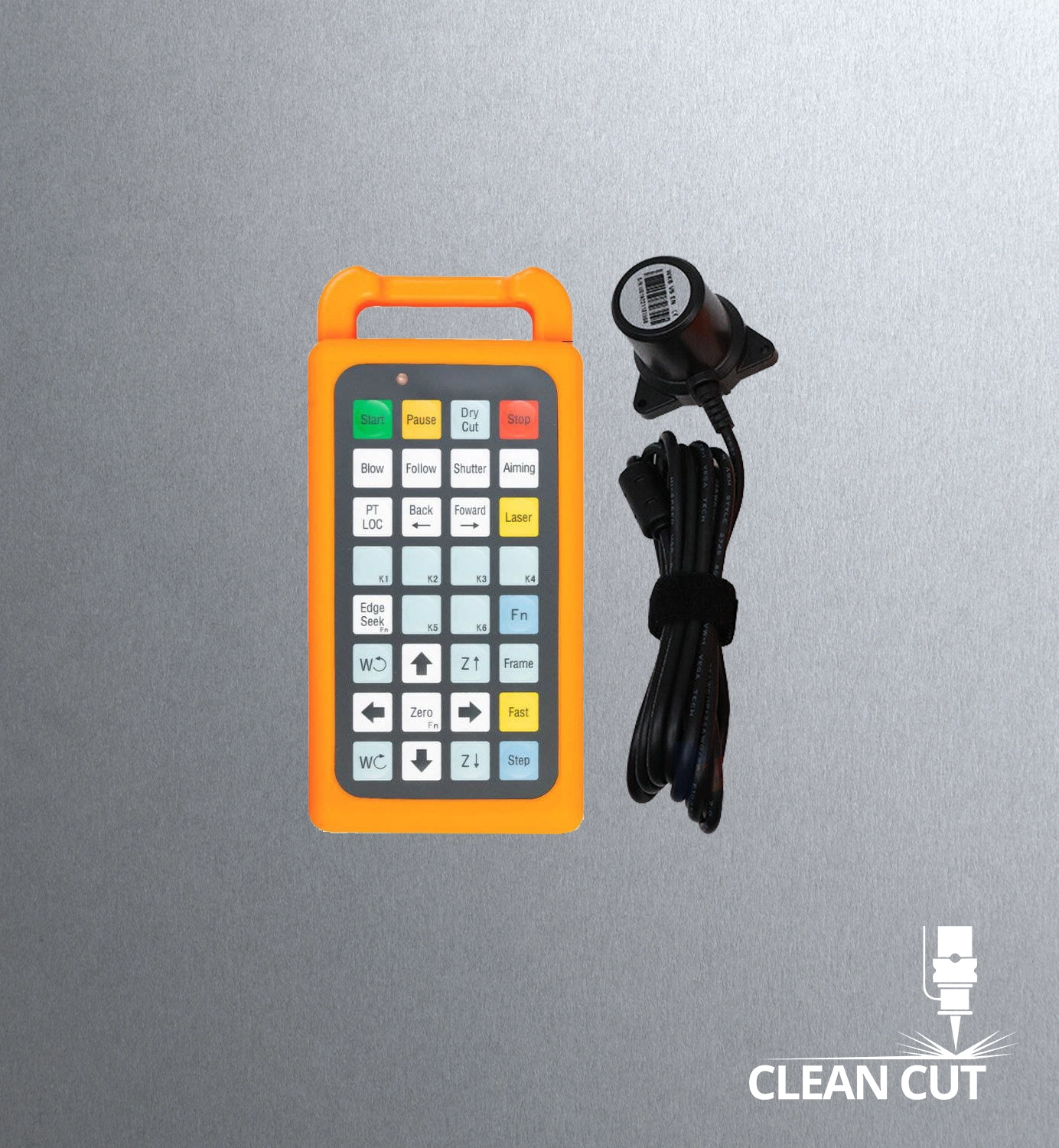
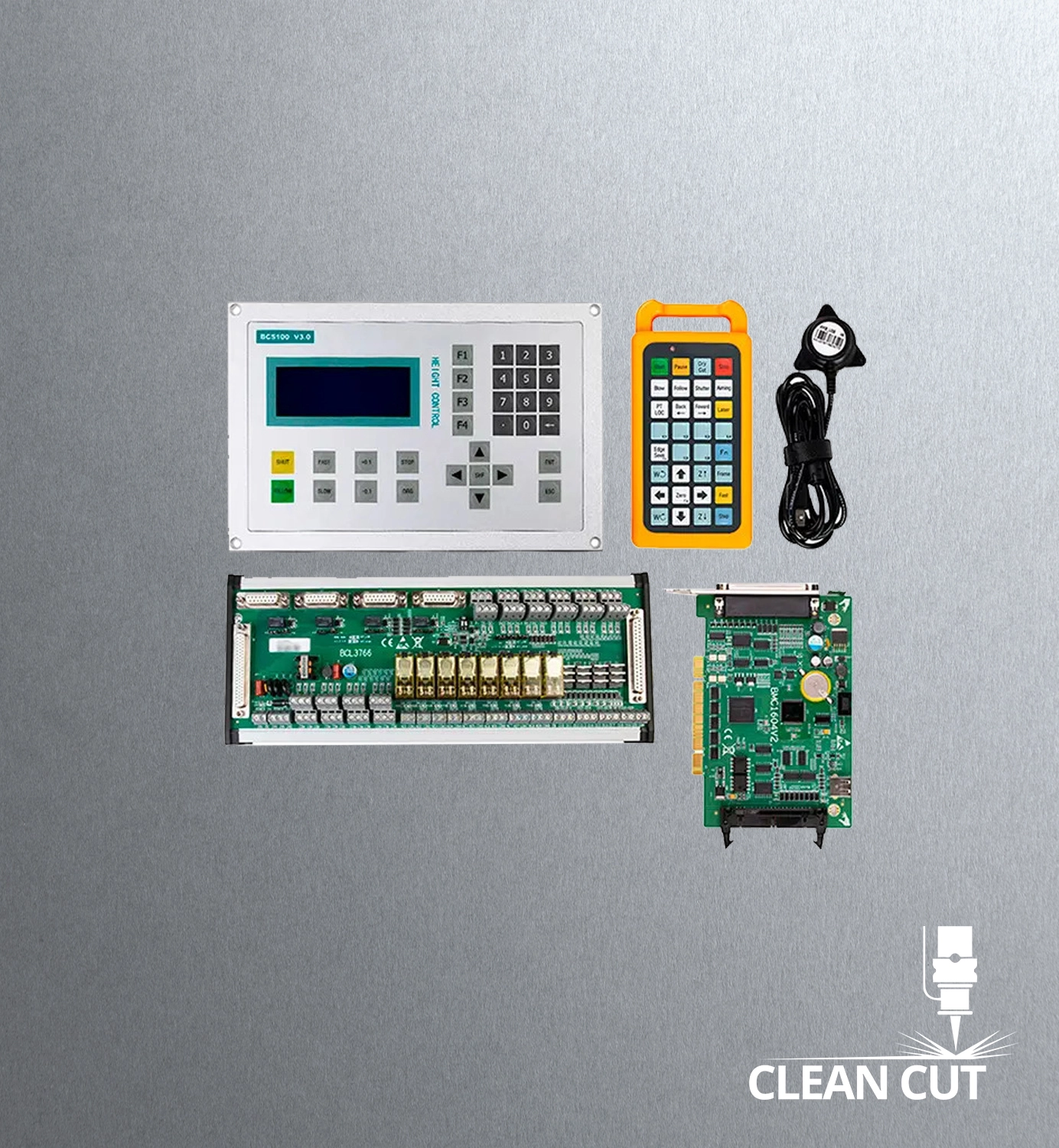

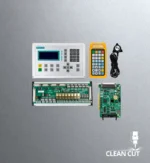


CypCut Controller
| Brands | Cypcut |
|---|---|
| Product manufacturer | CypCut Controller |
| Controller type | 2000C, 2000E, 3000E, 4000E |
The Sipcut controller is one of the key components in industrial automation and process control. It is responsible for managing
processing, and controlling the operation of industrial equipment and machinery. By utilizing advanced technologies, this controller enables precise and intelligent control of production lines and plays an important role in improving industrial productivity
In today’s industrial environment, where production speed and accuracy are increasingly important, using industrial controllers such as Sipcut helps reduce human error, improve product quality, and optimize energy consumption. As a result, this product has gained a significant position across various industries and is recognized as an important component of modern automation systems.
How Does the Sipcut Controller Work
The Sipcut controller receives signals from sensors and various devices, processes the collected data, and sends the necessary commands to actuators. This process takes place in real time, allowing industrial systems to operate in a coordinated and precise manner.
In essence, the controller acts as the brain of the system. It analyzes all input signals and generates appropriate outputs based on predefined instructions and operating conditions. This capability helps minimize errors, accelerate decision-making, and improve the overall performance of production lines
For example, in a packaging production line, a Sipcut controller can manage conveyor belt speed, equipment temperature, package filling levels, and operation timing. This level of control improves accuracy, reduces production waste, and ultimately increases factory profitability.
Applications of the Sipcut Controller in Various Industries
The Sipcut controller is used in a wide range of industries and is not limited to a single application. Some of its main applications include
Packaging and food processing industries
Machinery manufacturing and production lines
Heating, ventilation, and air conditioning (HVAC) systems
Pharmaceutical and healthcare industries
Building Management Systems (BMS)
Industrial assembly line automation
In each of these industries, the controller can play an important role in improving the speed, accuracy, and safety of industrial processes. For this reason, many factories and manufacturing facilities use industrial control equipment to optimize their operations and increase overall efficiency.
Benefits of Using the Sipcut Controller
Using a Sipcut controller offers several potential advantages that can make it a valuable option for industrial applications.
1Increased Productivity
By controlling industrial processes precisely, the controller can improve production efficiency and reduce unnecessary downtime, helping production lines operate more effectively.
2Reduced Human Error
Automating industrial processes reduces reliance on manual intervention and helps minimize errors caused by operator mistakes
3Stable and Reliable Performance
Industrial controllers are designed to support consistent operation in demanding environments. Depending on the specific model, a controller may be suitable for applications involving challenging temperature and humidity conditions
4High Flexibility
The ability to connect with compatible sensors and control equipment allows the controller to be adapted to different industrial projects and operational requirements
5Reduced Operating Costs
By improving process control, minimizing operational errors, and supporting more efficient equipment utilization, the controller can help reduce maintenance expenses and extend equipment service life
Technical Features of the Sipcut Controller
Depending on the model and configuration, the Sipcut controller may offer a range of technical capabilities that make it suitable for industrial automation applications. These features may include
Fast real-time data processing
Flexible programming and configuration options
Support for digital and analog inputs and outputs
Compatibility with various industrial devices
A design suitable for demanding industrial environments
Efficient energy consumption during continuous operation
These capabilities can make the controller suitable for both small-scale and large-scale industrial projects. In appropriate applications, it may also serve as an alternative to older control systems.
Note: The exact technical specifications and supported features should be verified against the manufacturer’s documentation for the specific Sipcut controller model.
The Importance of the Sipcut Controller in Production Line Optimization
One of the most important roles of an industrial controller is optimizing production line performance. By coordinating different parts of a system, the controller can help reduce unnecessary interruptions, improve workflow, and increase production speed
In modern manufacturing, even a minor operational error can result in significant financial losses. This makes precise industrial control systems essential for maintaining production quality and operational efficiency
By monitoring incoming signals in real time and adjusting system operations according to programmed logic, a properly configured controller can help prevent certain operational problems and maintain consistent production performance
Differences Between the Sipcut Controller and Traditional Control Systems
Traditional industrial control systems often require more manual intervention, which can increase the likelihood of human error and operational inconsistencies. In contrast, modern programmable controllers can automate many control tasks and improve the coordination of industrial processes
The main differences may include
Greater control accuracy
Faster data processing
Reduced need for manual operator intervention
Improved scalability and expandability
Fewer operational errors
Better coordination between connected equipment
The actual advantages depend on the specific controller, the existing control system, and the requirements of the industrial application.
Why Is the Sipcut Controller a Suitable Choice?
If you are looking for a reliable solution for managing industrial processes, the Sipcut controller may be a suitable option, provided that its specifications match your operational requirements. With its potential combination of precision, speed, and reliable performance, an appropriate controller can support the needs of different industrial applications.
Implementing a suitable control system can also help reduce operating expenses, improve equipment utilization, and extend the service life of industrial machinery. These benefits are particularly important for manufacturing businesses seeking to improve productivity while maintaining consistent product quality.
For this reason, engineers and industrial managers should evaluate the controller’s technical specifications, compatibility, programming capabilities, and after-sales support before selecting it for a project.
Conclusion
The Sipcut controller is presented as an important component in industrial automation, with the purpose of improving accuracy, speed, and productivity in manufacturing processes. Depending on its specific capabilities and configuration, it can support the efficient operation of industrial systems across various applications.
Using an appropriate industrial controller can improve system performance, help reduce operating costs, and contribute to better production quality. Selecting the right model based on technical requirements is therefore an important decision for businesses seeking to optimize their industrial operations.
Atlas Company, operating in the field of industrial equipment supply and distribution, focuses on providing quality industrial products and solutions. Through its product offerings and technical support, the company aims to help customers make informed decisions when selecting industrial and control equipment. Working with a supplier that understands industrial requirements can contribute to improved productivity, lower maintenance costs, and better overall system performance.