






Showing all 9 results


Laser Welding Machine Consumables: Types, Applications, Lifespan, and Buying Guide
A laser welding machine is one of the essential pieces of equipment in the metalworking industry. It uses a laser beam to join components with high precision and suitable speed. However, optimal machine performance depends on more than just laser power and build quality. The condition of consumable parts, proper maintenance, and the use of compatible equipment also play important roles in weld quality and production stability.
Laser welding machine consumables may experience performance deterioration over time due to heat, contamination, wear, and operating conditions. These components may require cleaning, replacement, or maintenance. Choosing the right consumables can help maintain welding quality, reduce unexpected downtime, and control maintenance costs.
In this article, we explore the different types of laser welding machine consumables, their applications, factors affecting their lifespan, and important considerations when purchasing these components.
What Are the Consumable Parts of a Laser Welding Machine?
Laser welding machine consumables vary depending on the machine type, welding head design, wire feeding method, and operating conditions. However, some of the most important components and supplies that should be considered during equipment maintenance include:
- Laser welding head protective lenses
- Laser welding nozzles
- Ceramic components in welding heads equipped with these parts
- Welding wire for processes requiring filler material
- Shielding gas used during the welding process
- Wire feeding and guiding components, where a wire feeding system is available
It is important to note that not all laser welding machines use the same components. Therefore, before ordering replacement parts, you should check the machine type, welding head model, and technical specifications of the required component.
1. Laser Welding Head Protective Lens
The protective lens is one of the important components of a laser welding head. It protects sensitive optical components from contamination, material splashes, and particles generated during the welding process. Keeping this component clean and in good condition is essential for maintaining the performance of the optical system.
During welding, contamination or damage to the lens surface can affect proper laser beam transmission and reduce process quality. For this reason, regularly inspecting the protective lens and replacing it when damaged or excessively contaminated is important.
Important considerations when selecting a protective lens:
- Compatibility of lens dimensions and thickness with the machine head
- Optical specifications suitable for the system’s wavelength and operating conditions
- Surface quality and optical coating
- Purchasing from a reliable supplier
- Following the manufacturer’s cleaning and replacement instructions
When replacing a protective lens, always use the cleaning methods recommended by the manufacturer. Improper contact or contamination remaining on the optical surface may damage the lens.
2. Laser Welding Machine Nozzle
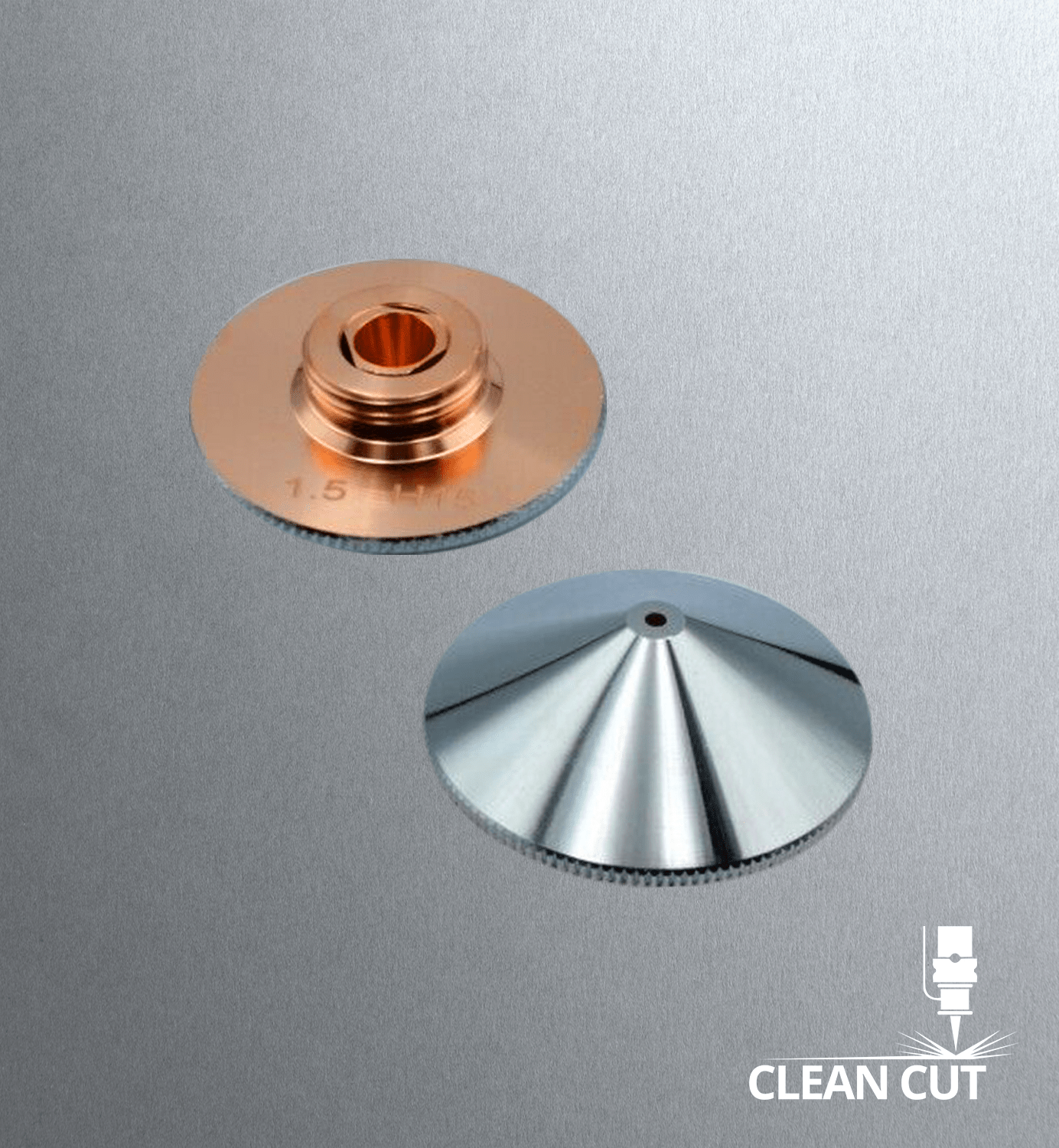
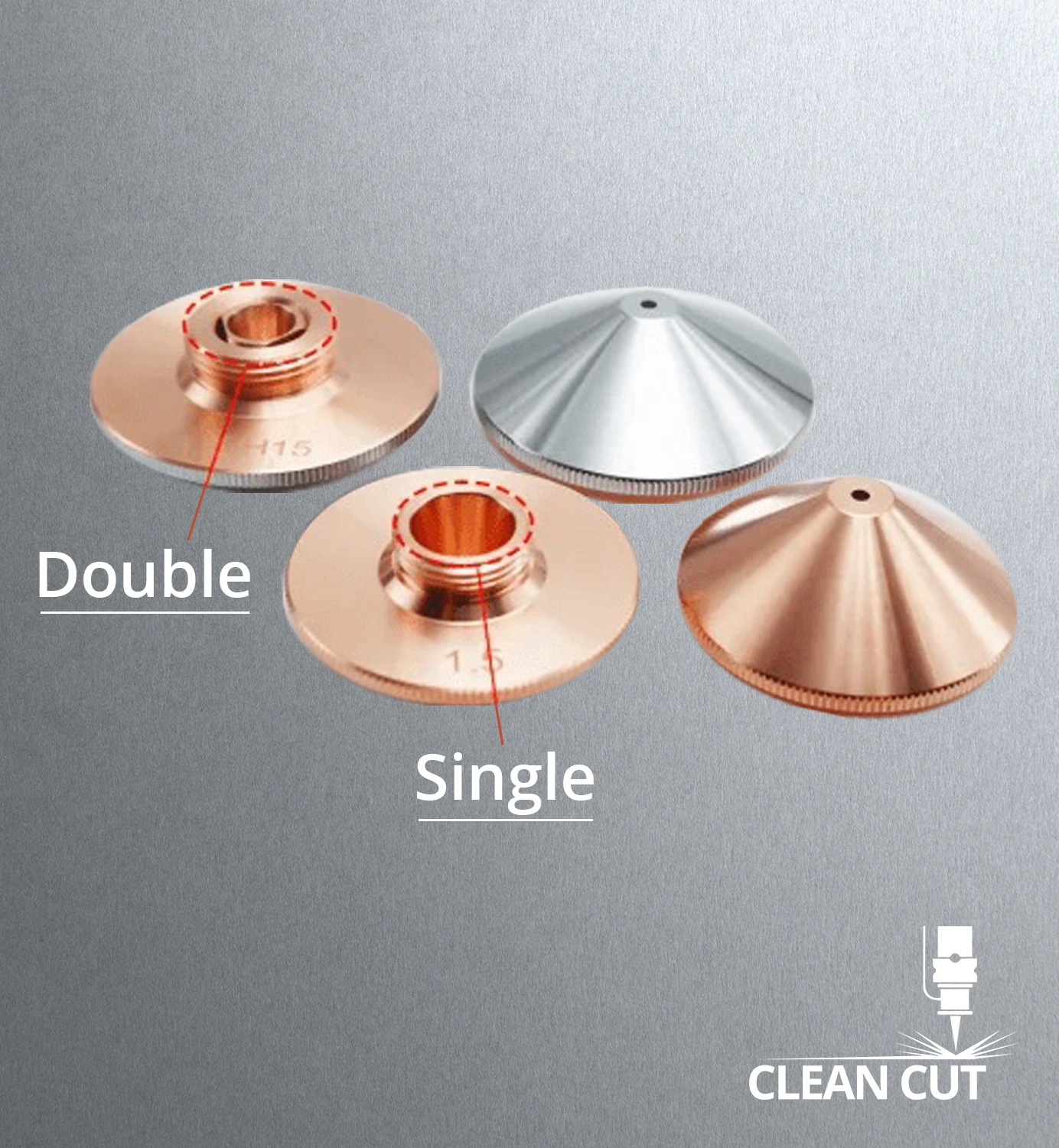
The nozzle is a functional component of the laser welding head that helps direct shielding gas and shape its flow around the welding area. In some models, the nozzle design is related to the joint type, accessibility of the welding area, and welding method.
Nozzles may become contaminated or damaged due to heat, material splashes, contact with the workpiece, or prolonged use. These conditions can affect shielding gas distribution and the proper execution of the welding process.
What Should You Consider When Buying a Laser Welding Nozzle?
- Compatibility with the welding head model
- Shape and dimensions suitable for the intended application
- Build quality and appropriate resistance to operating conditions
- Nozzle design compatibility with the joint type and welding area accessibility
- Availability of replacement parts with identical specifications
The appropriate nozzle should be selected according to the machine manufacturer’s instructions and actual welding conditions. Using an incompatible nozzle may make shielding gas control and weld quality more difficult to maintain.
3. Ceramic Components of Laser Welding Heads
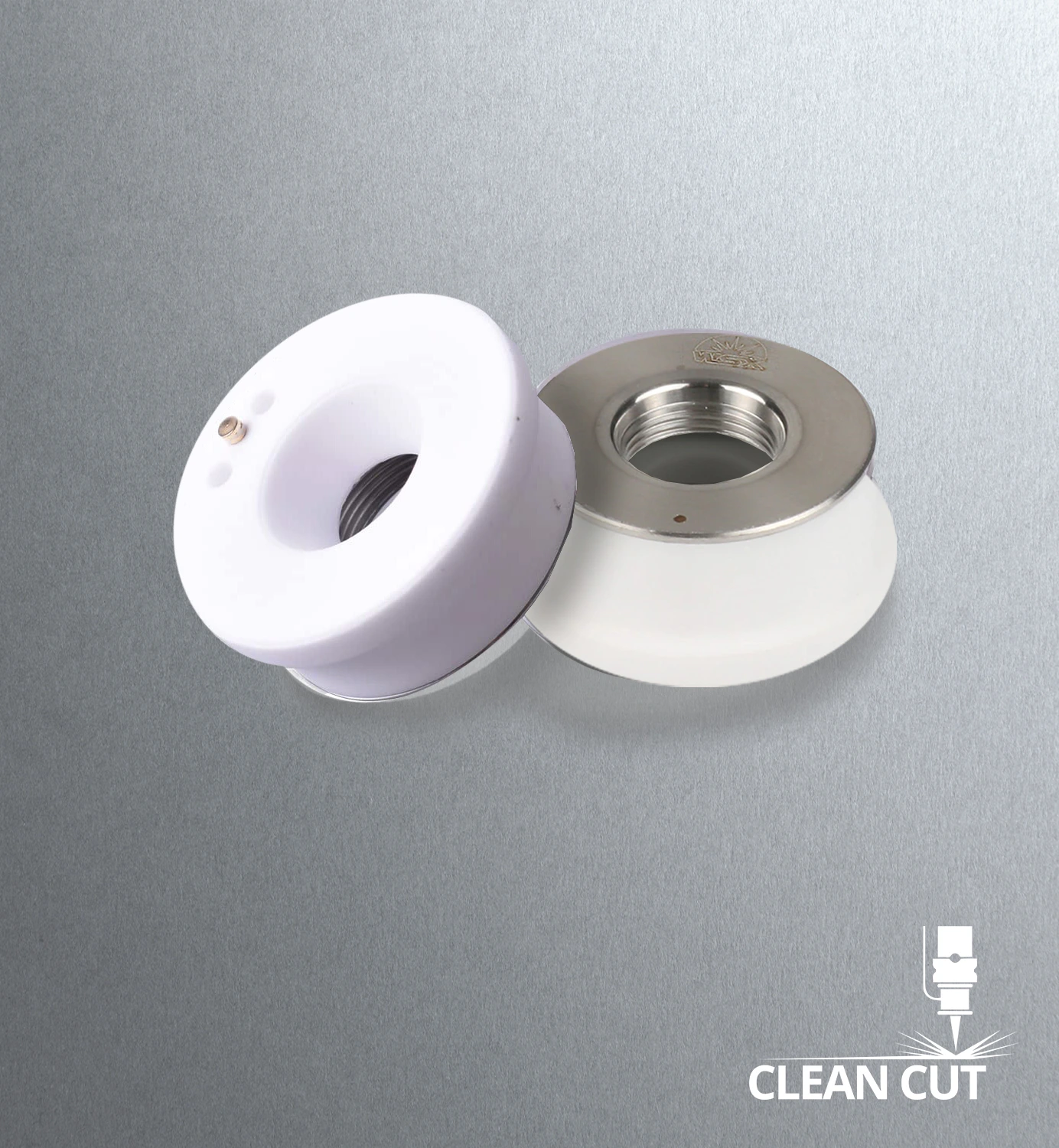
Some laser welding heads use ceramic components in the nozzle assembly or related sections. Depending on the head design, these components may help position certain parts and maintain the proper operation of the assembly.
Ceramic components may crack or break due to impact, improper installation, or mechanical stress. Therefore, their physical condition should be inspected during welding head maintenance. If damage is detected, the component should be replaced according to the manufacturer’s instructions.
Important considerations when purchasing ceramic components:
- Compatibility with the welding head model and structure
- Checking dimensions and installation position
- Build quality and ensuring there are no cracks or fractures
- Considering the technical specifications provided by the manufacturer
Since not all laser welding heads have the same structure, you should identify the exact type of ceramic component required by your machine before purchasing.
4. Welding Wire for Laser Welding Machines
In certain laser welding applications, welding wire is used as a filler material to complete the joint. This wire can help fill gaps between components or achieve the required shape and dimensions of the weld.
The welding wire must be compatible with the base materials, technical joint requirements, and process conditions. For example, a wire suitable for steel components may not necessarily be appropriate for joining aluminum or stainless steel.
The most important factors when selecting welding wire include:
- Compatibility of the wire’s alloy composition with the base metal
- Appropriate diameter for the wire feeding system
- Wire quality and consistency
- Cleanliness and proper storage conditions
- Compliance with the technical requirements of the final product
Incompatible or contaminated welding wire may cause unstable feeding, welding defects, or reduced joint quality. Therefore, wire selection should be based on workpiece specifications and process requirements.
It is worth noting that not all laser welding applications require welding wire. Some processes can create joints without using additional filler material.
5. Shielding Gas in Laser Welding
Shielding gas is an important consumable in many laser welding processes. It flows around the welding area and, depending on the material, process settings, and environmental conditions, helps control unwanted reactions with the surrounding air.
The type of gas and its application method should be selected according to the base metal, required weld quality, and technical welding instructions. Gas pressure and flow rate should also be adjusted within the recommended range, as incorrect gas settings can affect weld quality.
To manage shielding gas consumption properly, consider the following:
- Selecting gas suitable for the material and welding process
- Checking connections and gas lines for leaks
- Adjusting the flow rate according to technical instructions
- Inspecting hoses and fittings
- Using gas with the required quality and purity
Using more shielding gas does not necessarily improve weld quality. Settings should be based on actual operating conditions and the manufacturer’s recommendations.
6. Welding Wire Feeding System Components
Machines equipped with a wire feeding system use several components to guide and transfer welding wire consistently to the welding area. Depending on the machine design, this assembly may include feed rollers, wire guides, and other guiding components.
Contamination in the wire path, worn feed rollers, or incompatible components may cause irregular wire feeding and interrupt the welding process. Therefore, regularly inspecting the wire path and related components is essential.
Tips for maintaining the wire feeding system:
- Inspect the wire path for contamination.
- Use wire with a diameter compatible with the equipment.
- Check the condition of feed rollers and guide components.
- Identify the cause of wire jamming or irregular feeding.
- Select replacement components according to the machine model.
Keep in mind that wire feeding systems do not have the same structure in every machine. Therefore, the list of replaceable components should be obtained from the technical manual or machine supplier.
What Factors Affect the Lifespan of Laser Welding Consumables?
The lifespan of consumable parts depends on operating conditions, component quality, and maintenance practices. A single replacement interval cannot be applied to all machines because equipment designs and usage intensity vary.
The most important factors include:
Consumable Quality
Components with appropriate technical specifications and good manufacturing quality can provide more stable performance when used correctly. However, even high-quality components require regular inspection and maintenance.
Machine Operating Conditions
Continuous operation, the type of materials being welded, the amount of spatter, and environmental conditions can affect the rate of contamination and component wear.
Proper Installation and Maintenance
Incorrect installation, improper cleaning, or the use of unsuitable tools may cause premature component damage. Following the manufacturer’s maintenance instructions is essential.
Component Compatibility
Using components that are incompatible with the machine in terms of dimensions, materials, or technical specifications may disrupt the performance of the assembly. Checking the exact machine model before ordering can help prevent this problem.
How to Choose the Right Laser Welding Machine Consumables
When purchasing consumables, do not focus solely on price or appearance. The correct selection should be based on technical specifications and the actual requirements of your machine.
1. Identify the Machine and Welding Head Model.
Before placing an order, check the machine brand and model, welding head specifications, and technical information about the required component.
2. Consider the Application.
The base material, joint type, workpiece thickness, and whether welding wire is required can affect the selection of certain consumables.
3. Check Technical Specifications.
The dimensions, material, optical specifications, and other stated characteristics of each component must be compatible with the machine requirements.
4. Verify Component Quality and Authenticity.
A reliable supplier should be able to provide the necessary product information and confirm compatibility with your machine.
5. Evaluate Cost Alongside Quality.
A lower price does not always mean a more economical purchase. Component durability, compatibility, performance quality, and machine downtime costs should also be considered.
6. Manage Frequently Used Consumables.
By recording consumption levels and replacement history, you can plan component procurement more effectively and reduce the risk of unexpected production downtime.
What Factors Affect the Price of Laser Welding Machine Consumables?
The price of laser welding machine consumables depends on the component type and its technical specifications. To compare prices accurately, you should evaluate components with similar features and applications.
The main factors affecting prices include:
- Component type and application
- Brand and manufacturer
- Raw material and manufacturing quality
- Technical specifications and dimensions
- Compatibility with the machine or welding head model
- Market availability and supply conditions
- Required quantity and shipping costs
For example, the price of a protective lens depends on its optical specifications and dimensions, while the price of a nozzle or wire feeding component depends on its design and compatibility with the machine.
Before purchasing, it is best to identify the exact specifications of the required component and then compare compatible products.
Buying Laser Welding Machine Consumables from CleanCut
When purchasing laser welding machine consumables, choosing a supplier that can verify product specifications and compatibility with your equipment is important. Buying the right components can help reduce compatibility-related errors and improve maintenance cost management.
When requesting information from CleanCut, it is recommended to provide your machine model, welding head specifications, required component type, and available technical information. This allows the product to be evaluated more accurately.
Before placing an order, make sure the component’s dimensions, technical features, and compatibility match your machine’s requirements.
Ultimately, proper maintenance, regular component inspections, and purchasing parts that match your machine can help maintain welding quality, improve process stability, and reduce unexpected downtime.