






Showing all 8 results




Fiber Laser Source: What It Is, Top Brands, and How to Choose One
If a fiber laser cutting machine were a car, the laser source would be its engine. The laser source is the component that generates the laser beam, and it has the biggest influence on cutting speed, maximum cutting thickness, edge quality, and even the final price of the machine. That’s why the source is usually the most expensive part of the machine, and choosing the right one affects your workshop’s productivity for years.
In this Clean Cut article, we explain in plain terms what a laser source is, how it works, which brands are on the market, and what to look for when buying or replacing one.
Contact us today and get the best fiber laser cutting services or expert guidance on buying an industrial-precision laser cutting machine!
Paydar Bresh Asia Co., operating under the Clean Cut brand, offers original, guaranteed products and is a specialist source for buying a laser welding machine and other laser machine accessories in Iran. Clean Cut’s technical experts understand industrial requirements in depth and will help you choose the most suitable parts and equipment for your project.
What Is a Laser Source and How Does It Work?
A fiber laser source uses pump diodes and an optical fiber doped with rare-earth elements (such as ytterbium) to produce a high-power laser beam. The process works like this:
- Pump diodes convert electrical energy into light.
- This light enters the active fiber, where it is amplified and turned into a laser beam with a wavelength of about 1070 nm.
- The beam travels through the output fiber cable (QBH) to the cutting head.
- In the cutting head, lenses focus the beam onto the sheet surface, and cutting is carried out with the help of an assist gas (oxygen, nitrogen, or air).
The big advantage of a fiber source over CO2 lasers is that the beam path stays entirely inside the fiber, with no mirrors or complex alignment. The result is higher efficiency, lower power consumption, and simpler maintenance.
Main Components of a Fiber Laser Source
- Pump diode modules: supply the initial energy
- Active fiber and resonator: where the beam is generated and amplified
- Output cable and QBH connector: deliver the beam to the head (a QBH protective lens is used to keep the fiber tip safe)
- Control board and power supply: manage output power and communicate with the machine controller
- Water cooling circuit: removes the heat generated inside the source
Popular Laser Source Brands
Raycus
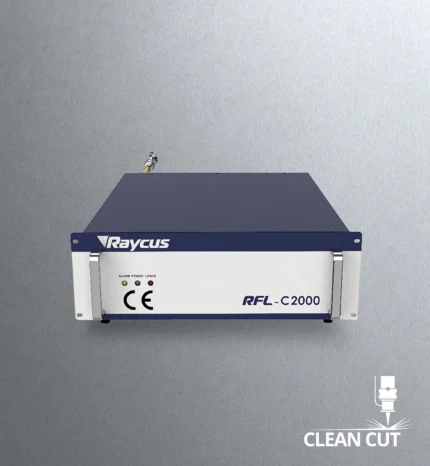
Raycus is one of the largest fiber laser source manufacturers in China and holds a large share of the Iranian market. Competitive pricing, easy access to parts, and an extensive after-sales network have made it a popular choice for workshops.
MAX Photonics
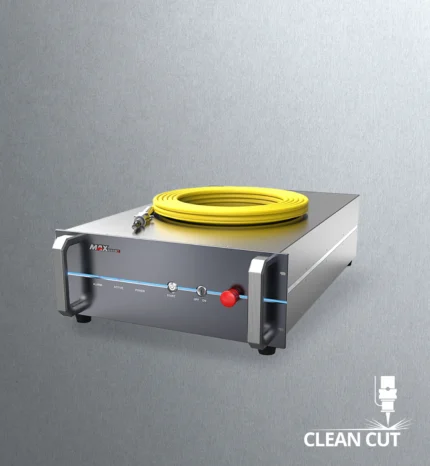
MAX is another well-known Chinese brand, sitting close to Raycus in terms of quality and price. Many users appreciate the stability of its output power during long operating hours.
IPG
IPG is a leading pioneer in fiber laser technology. It offers excellent beam quality and durability, but it is noticeably more expensive than Chinese brands and is mostly chosen for heavy industrial production lines.
Other Brands
Brands such as JPT, BWT, and nLIGHT are also on the market, each offering strong options in specific power ranges and applications.
Laser Source Power: How Many Watts Do You Need?
Source power is expressed in watts or kilowatts and directly affects the maximum cutting thickness and working speed. In general:
| Source power | Typical use |
|---|---|
| 1–2 kW | Thin sheets, small workshops, signage and decorative work |
| 3–6 kW | General metalworking shops, a range of medium thicknesses |
| 12 kW and above | Industrial production, thick sheets, and high speed |
Note: Cutting thickness also depends on the sheet material (mild steel, stainless steel, aluminum), the assist gas, and the quality of the cutting head. Before buying, consult Clean Cut’s experts so they can recommend the right power for your work.
Key Tips for Choosing and Buying a Laser Source
- Define your work type and sheet thicknesses. Buying more power than you need is an unnecessary cost, and too little power slows production down.
- Check after-sales service and warranty. The source is a specialized component, and only an expert can repair it.
- Confirm compatibility with your machine and controller with the seller.
- Verify authenticity through the serial number and official documentation.
- Match the cooling system (chiller) to the source’s power.
Proper Maintenance to Extend Laser Source Life
Manufacturers claim fiber sources have a very long service life, but you will only reach it with proper maintenance:
- Set the chiller water temperature correctly. Cooling water should follow the manufacturer’s instructions; water that is too cold causes condensation on internal components, which is very dangerous for the source.
- Use distilled or deionized water and replace the chiller water regularly.
- Keep the source environment dry and dust-free. High humidity is the source’s main enemy.
- Don’t bend or put pressure on the output fiber cable.
- When cutting reflective metals such as copper and brass, use appropriate settings so reflected beams don’t damage the source.
- Provide stable power with a voltage stabilizer and proper grounding.
Signs of a Faulty or Weakening Laser Source
- A noticeable drop in cutting power on thicknesses that used to cut easily
- Alarms showing in the software or on the machine panel
- The source not turning on, or output cutting in and out
- Poor edge quality and excessive dross
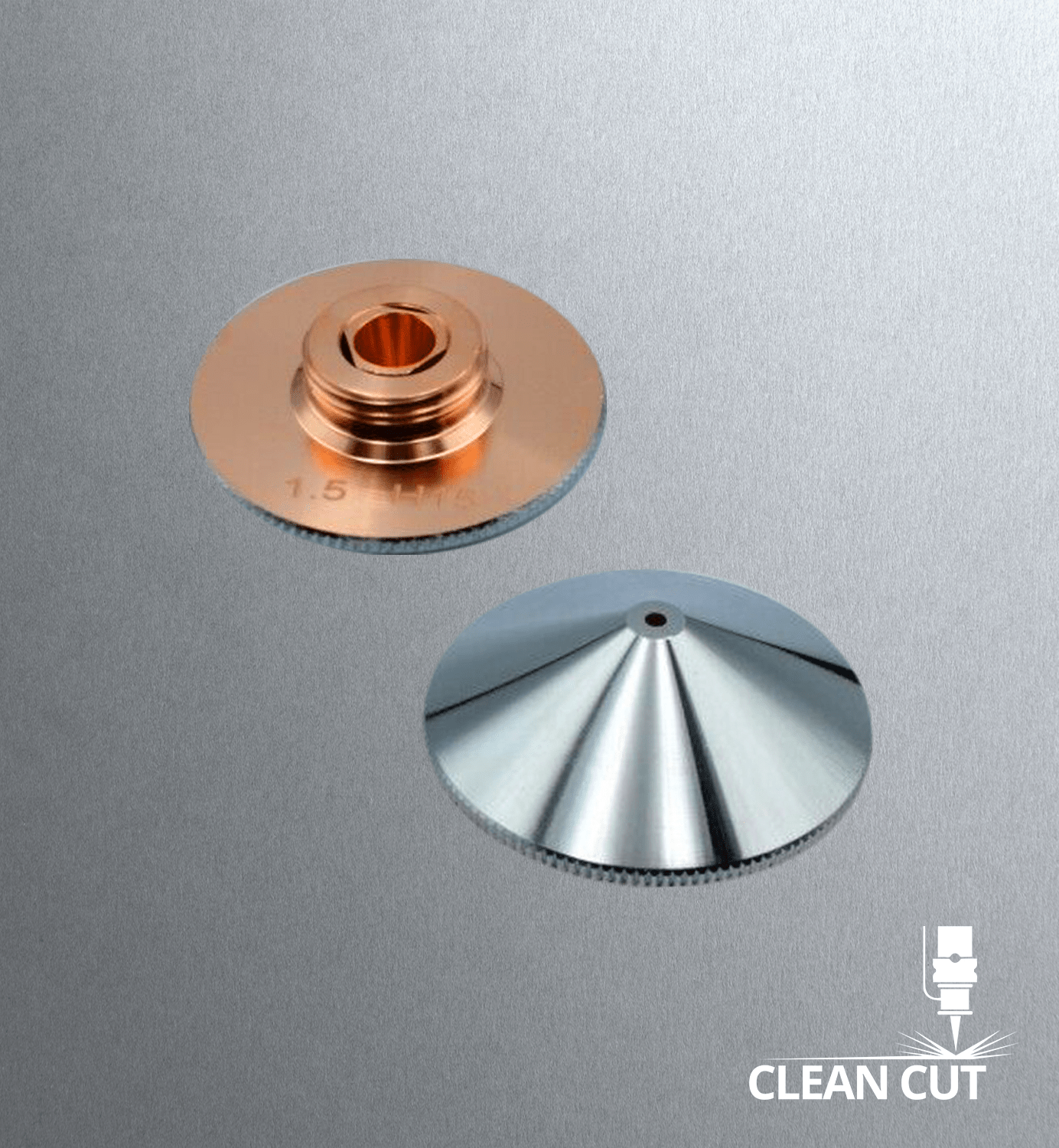
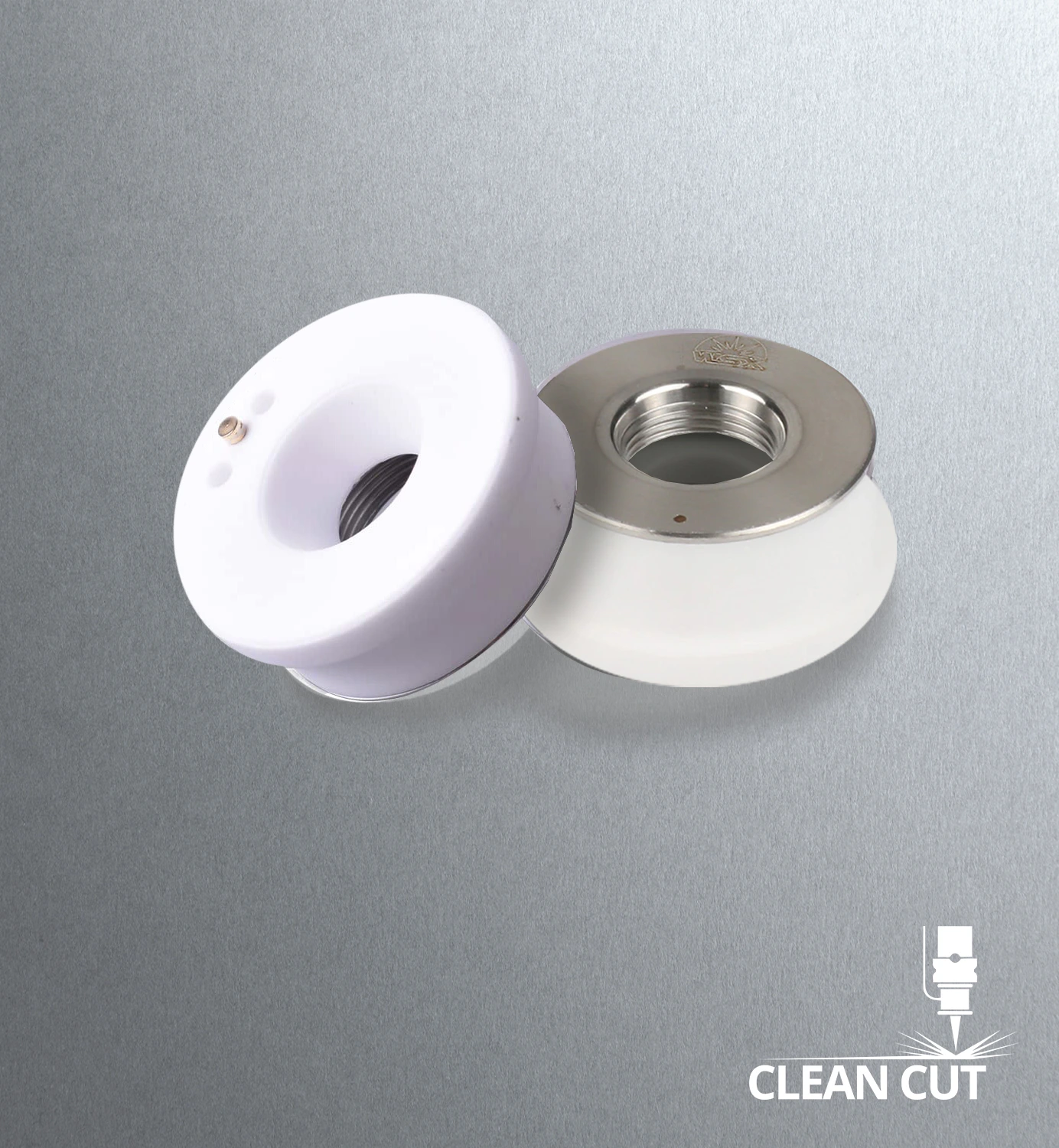
Before blaming the source, check the protective window (protective lens), the nozzle, and the focus settings; many quality drops are caused by these consumable parts.
Buy a Laser Source from Clean Cut
Clean Cut supplies fiber laser sources from reputable brands, along with expert advice on choosing the right power, to help you pick the best option for your workshop or production line. To view products and get advice, visit our laser cutting machine source page and our fiber laser cutting machine consumables store.
Conclusion
The laser source is the most important and most expensive part of a fiber laser cutting machine, and cutting quality, speed, and thickness depend largely on it. To choose well, first define your type of work and the material and thickness of the sheets you cut most, then select the right power and brand. Brands like Raycus and MAX are economical and reliable for most workshops, while IPG is the safer choice for heavy industrial production and continuous operation.
That said, buying a good source is only half the job. Setting the correct chiller temperature, using distilled water, keeping the source away from humidity and dust, and providing stable power can multiply its lifespan and prevent costly repairs. And when cut quality drops, check consumables like the protective window and nozzle before blaming the source.
If you need guidance choosing, buying, or replacing your machine’s source, Clean Cut’s experts are ready to recommend the most suitable source for your work and machine.